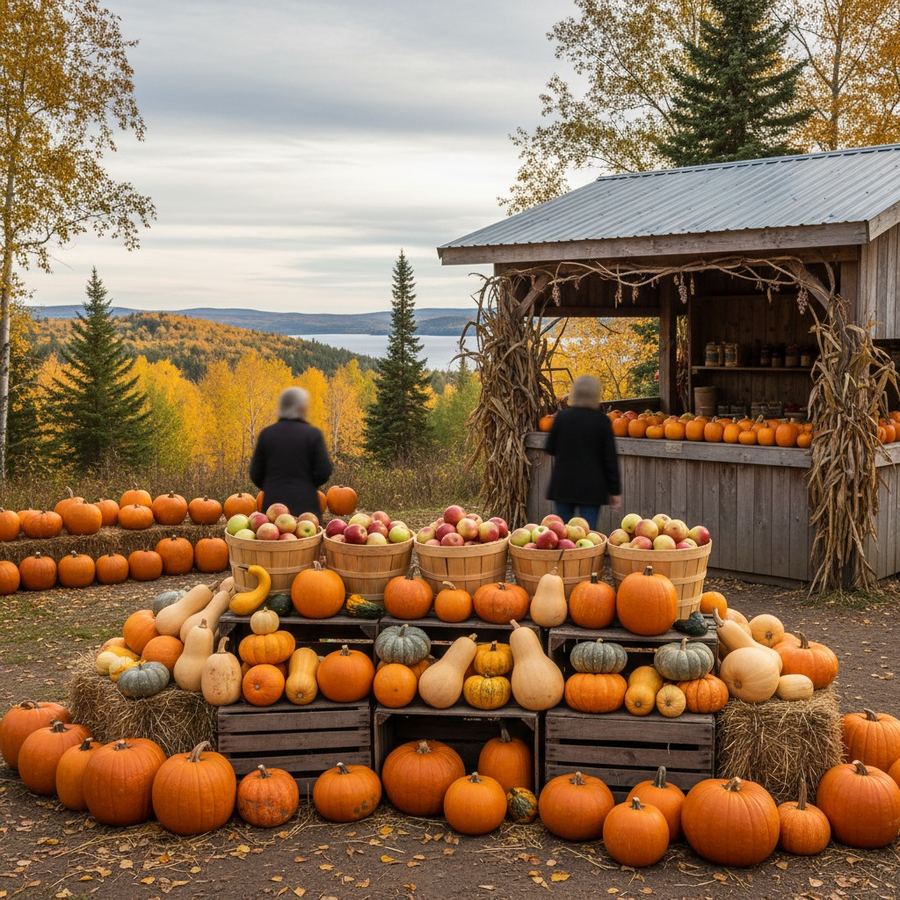
At the Kitchener Market on a Saturday morning in September, a Mennonite farmer is selling sausages from a cooler behind his truck while the person at the next table offers artisanal sourdough for $12 a loaf. Both are legitimate vendors. Both belong there. That range, from working-farm produce sold at farm-gate prices to curated small-batch goods aimed at weekend visitors, is what makes Southern Ontario's market scene worth paying attention to. The trick is knowing which markets offer which experience, because the gap between a real farmers market and a vendor fair selling imported goods under a tent is wider than most people expect.
What Makes a Real Farmers Market
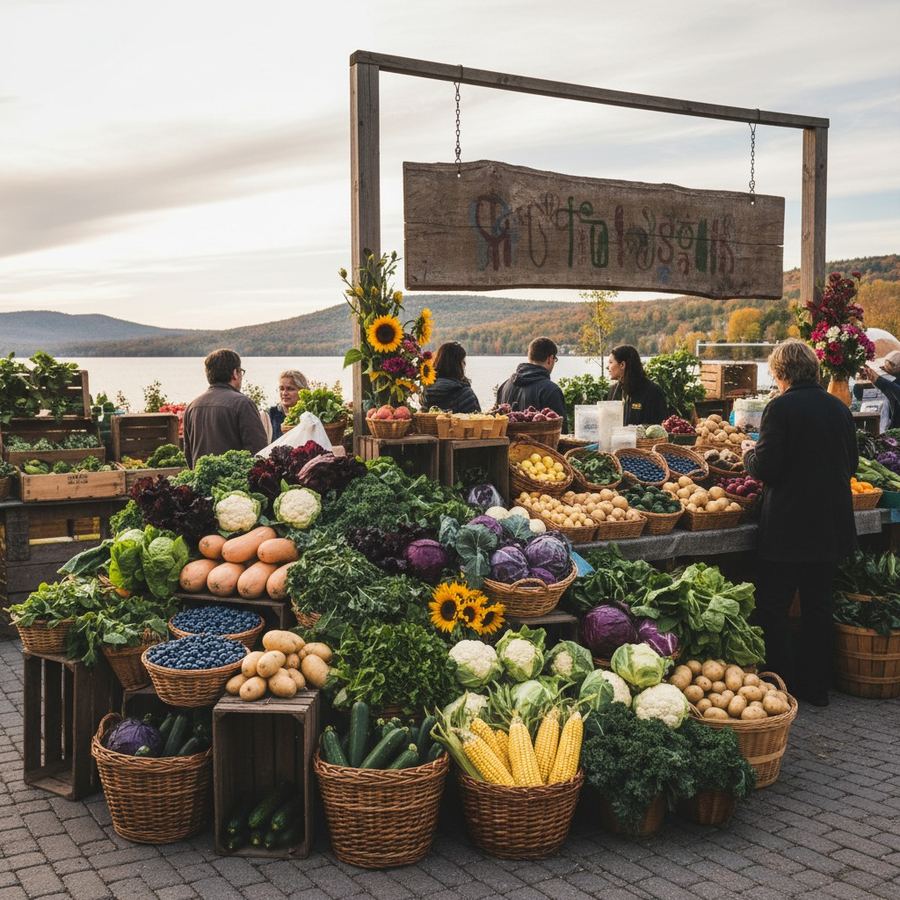
A genuine farmers market requires vendors to grow, raise, or produce what they sell. The best markets enforce this rule strictly, which means the produce is seasonal (no field tomatoes in June, no strawberries in September), the selection reflects what actually grows in the region, and the prices may be higher or lower than the grocery store depending on the item. Markets that allow resellers, where vendors buy from the Ontario Food Terminal and mark it up under a farm-looking banner, are a different thing entirely. They are not necessarily bad, but they are not farmers markets in any meaningful sense.
Most markets in Southern Ontario run from late May or early June through October, with some operating year-round in indoor locations. Peak season is August through early October, when the full range of Ontario produce is available: sweet corn, tomatoes, peaches, peppers, squash, and apples.
The Markets
St. Lawrence Market, Toronto
The benchmark. St. Lawrence Market's Saturday Farmers Market has been operating since 1803, and the main market building (open Tuesday through Saturday) is the most comprehensive food market in the province. This is not technically a rural farmers market, but it sets the standard for vendor quality, product range, and food preparation. The peameal bacon sandwich from Carousel Bakery is famous for a reason. Come early on Saturday; by 11 a.m. the aisles are shoulder to shoulder.
Kitchener Market
The Kitchener Market claims to be the oldest continuously operating farmers market in Ontario, running since 1869. The Saturday market has a strong Mennonite presence, which means you will find smoked meats, fresh sausage, apple butter, and baked goods alongside conventional produce vendors. The market moved into a renovated building in 2004 and operates year-round on Saturdays. The food court area has prepared food that is a step above typical market fare. It is about 110 km from Toronto via Highway 401.
Hamilton Farmers Market
Hamilton's market operates in a purpose-built hall at 35 York Boulevard, running year-round on Tuesdays, Thursdays, and Saturdays. It has a strong mix of fresh produce, meat, cheese, and prepared food vendors. The international food options reflect Hamilton's diversity, and the baked goods section is deep. The market has improved along with Hamilton's broader food scene and is worth a stop if you are in the city for the waterfalls or the art gallery.
Collingwood Farmers Market
The Collingwood Farmers Market runs on Saturday mornings from mid-May through mid-October at the Collingwood Curling Club. It is smaller than the urban markets on this list but has a strong core of local growers and producers from Simcoe County and Grey County. You will find seasonal vegetables, preserves, honey, baked goods, and local meat. The Collingwood area's growing food culture means the vendor quality has improved steadily. It pairs well with a morning in downtown Collingwood.
Creemore Farmers Market
Creemore's market is small and that is part of the appeal. It runs Saturday mornings in the summer months in the heart of the village, typically in the park near the main street. The vendor list is short but carefully curated, with an emphasis on local and organic producers. After the market, the brewery is a two-minute walk. Creemore itself is covered in our small towns guide for a reason: the main street is one of the best in the province.
Shelburne Farmers Market
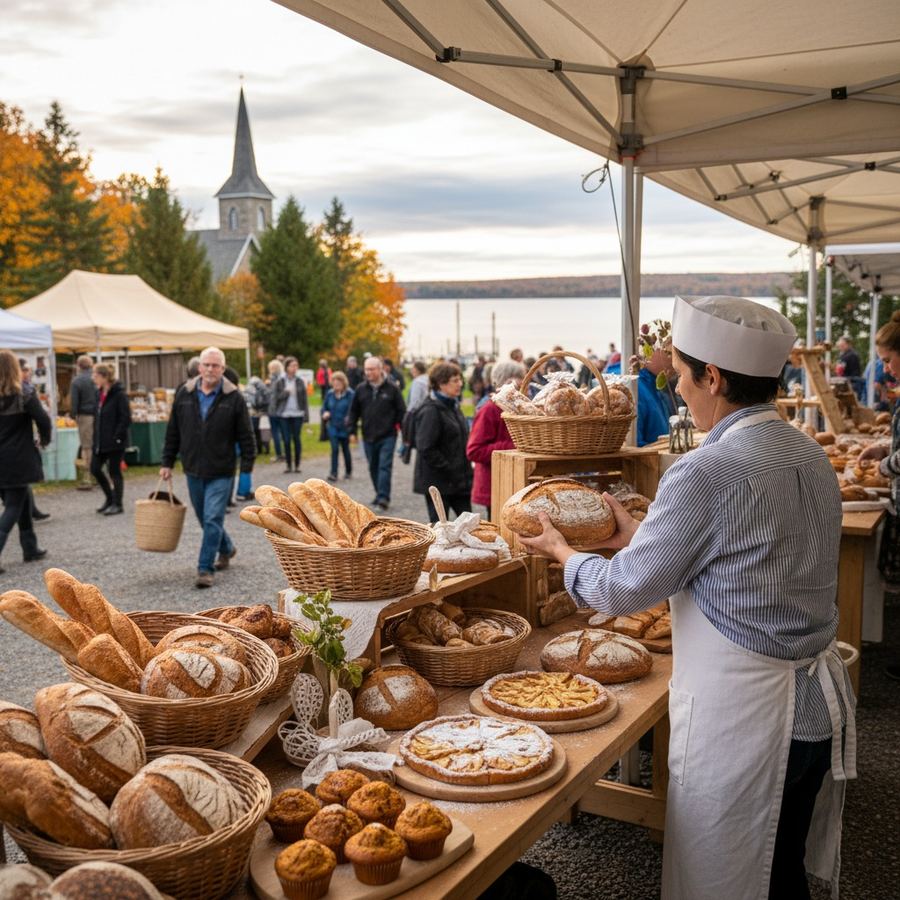
The Shelburne Farmers Market runs on Thursdays from June through October in the town centre. It reflects the agricultural character of Dufferin County: straightforward produce, local meats, eggs, and baked goods from the surrounding farms. This is not a foodie destination market; it is a farming-community market where the vendors are the same people working the fields the rest of the week. That authenticity is exactly what makes it worth visiting. For more on the Shelburne community and market schedule, shelburne.com has current information.
Perth Farmers Market
Perth's Saturday market runs from May through October in the Crystal Palace on the Tay River basin. The setting is attractive, the vendor list includes produce, cheese, maple products, and baked goods, and the town itself is one of the best in Eastern Ontario for a morning of browsing. The market benefits from the broader Perth food community, which includes several good restaurants and a bakery scene that punches above the town's weight. Combine a market visit with a walk along the river and lunch downtown.
Prince Edward County Farm Gates
Prince Edward County does not have a single dominant farmers market in the traditional sense. Instead, the County operates on a farm-gate and roadside-stand model, with dozens of producers selling directly from their properties. The County's food map, available at most wineries and shops, is the guide. You drive from farm to farm, buying vegetables here, cheese there, and wine in between. It is a different model from a centralized market, and it works because the County is compact enough to cover in an afternoon. Peak season is July through October, and the Prince Edward County guide covers the broader food and wine scene.
Stayner and Clearview Area
The Clearview area around Stayner is agricultural country, and the small markets and farm stands in the area reflect that. This is not a major market destination, but if you are passing through on your way to Collingwood or the Blue Mountains, the roadside stands along Highway 26 and the Clearview concession roads sell sweet corn, tomatoes, and squash in season at prices that undercut the resort-town markets to the north. For local farm and market information, stayner.com covers the community and surrounding area.
Seasonal Guide
- Late May to June: Asparagus, rhubarb, strawberries, greens. Markets are just opening and vendor lists may be thin.
- July: Sweet corn, blueberries, beans, zucchini. The season is underway and most markets are at full capacity.
- August to September: Peak season. Tomatoes, peaches, peppers, plums, early apples. This is when the markets are at their best.
- October: Squash, pumpkins, late apples, root vegetables. The last month for most outdoor markets.
- November to April: Indoor markets (Kitchener, Hamilton, St. Lawrence) continue. Stored root vegetables, preserves, and greenhouse products.
Tips
Bring cash. Many vendors accept card payments now, but not all, and the ones selling from the back of a pickup truck almost never do. Bring your own bags. Arrive early for the best selection, especially at smaller markets where popular items sell out by mid-morning. And buy what is in season. The asparagus in June and the peaches in August are the reason these markets exist. The off-season tomato from a greenhouse is fine, but it is not why you drove an hour.
For more on the towns and regions these markets serve, the weekend getaways guide can help you plan a trip around a market visit.